
Common Water Problems and Solutions in South Carolina
Water that looks clear can still contain minerals, chemicals, or other substances that affect its taste, smell, performance, and quality. In Chapin and throughout South Carolina, the most appropriate solution depends on where the water comes from, what it contains, and how it travels into your home.
City water may arrive with noticeable chlorine or hardness minerals. Private well water can develop problems involving acidity, iron, manganese, sulfur, sediment, or bacteria. Emerging concerns such as PFAS water contamination in South Carolina require specialized testing and carefully selected treatment.
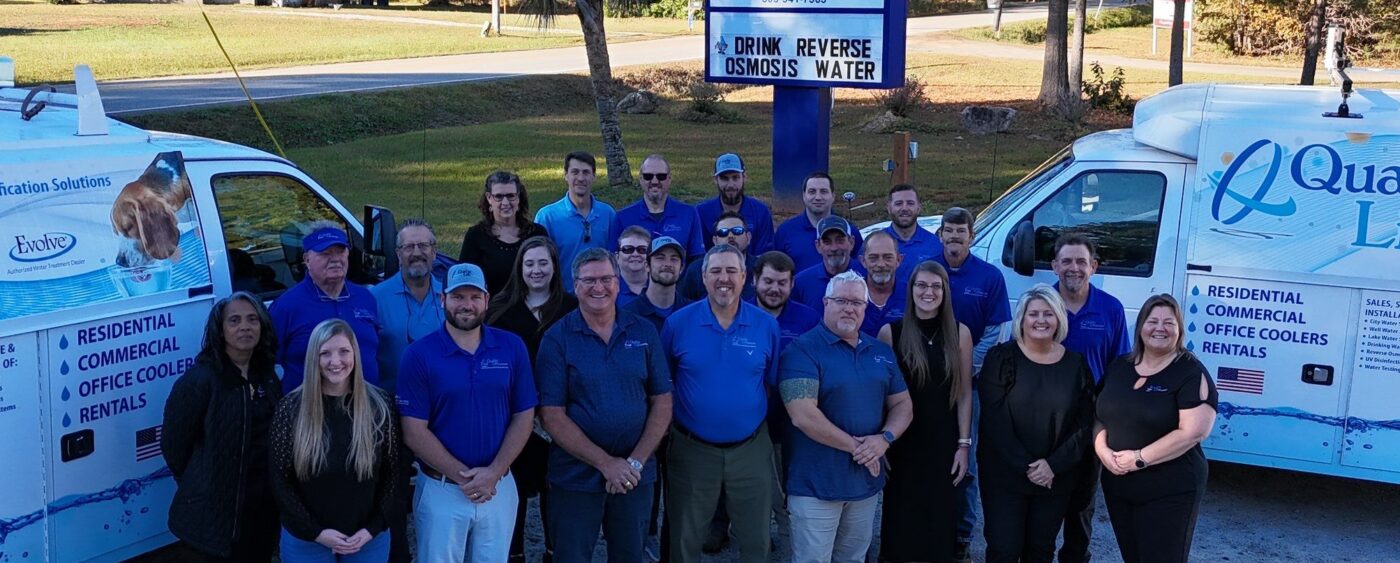
Quality Life Solutions takes the guesswork out of these concerns. Our local, fully WQA-certified team begins with a free in-home water analysis before recommending equipment. Led by Randy Shuler, one of only two Certified Water Specialists in South Carolina, we use better science to identify the problem and develop a solution around your household’s actual water chemistry.
What Causes South Carolina Water Problems?
Water quality can change based on its source, the surrounding geology, environmental conditions, the treatment methods used by a city water provider, and the plumbing inside the home. Two neighboring properties can therefore experience very different water problems.
Some water contaminants are easy to recognize. Iron can leave orange stains, sulfur can produce a “rotten egg” smell, and chlorine can affect taste. Other concerns—including bacteria and PFAS—may have no noticeable color, taste, or odor.
That is why water testing should come before treatment. A water softener, carbon filter, acid neutralizer, reverse osmosis system, and UV system perform different jobs. No single piece of equipment is appropriate for every type of water contamination.




City Water vs. Well Water Problems and Solutions
Both city water and well water can benefit from treatment, but their common problems are different.
-
Common City Water Concerns
City water households frequently contact Quality Life Solutions about:
- Hardness and mineral scale
- Chlorine taste and odor
- Sediment from plumbing or distribution lines
- Drinking-water taste
- Emerging contaminants such as PFAS
Depending on the results and household goals, treatment may include a water softener, activated-carbon filter, reverse osmosis drinking-water system, or a combination of technologies.
-
Common Well Water Concerns
Private well water problems and solutions often involve:
- Acidic water
- Iron and manganese
- Hardness
- Sulfur odors
- Sediment and tannins
- Bacteria
- PFAS or other location-specific contaminants
Well water can change over time, particularly after heavy rain, flooding, nearby land disturbance, or work on the well. Regular testing helps identify changes before selecting or adjusting treatment equipment.
Why Water Testing Comes Before Treatment
Buying equipment without knowing what is in the water can leave the original problem untreated, or create an unnecessary and overly complicated system.
Quality Life Solutions begins with a free in-home water analysis for common aesthetic and functional concerns such as:
- Hardness
- Iron
- Manganese
- Chlorine
- pH
- Sulfur-related odors
When a concern requires broader analysis, including bacteria, PFAS, heavy metals, or other common water contaminants, samples may need to be evaluated by an independent certified laboratory.
Once the results are available, the QLS team explains what they mean in plain language and recommends a treatment plan based on the home—not a sales quota.
Find the Right Solution for Your Water
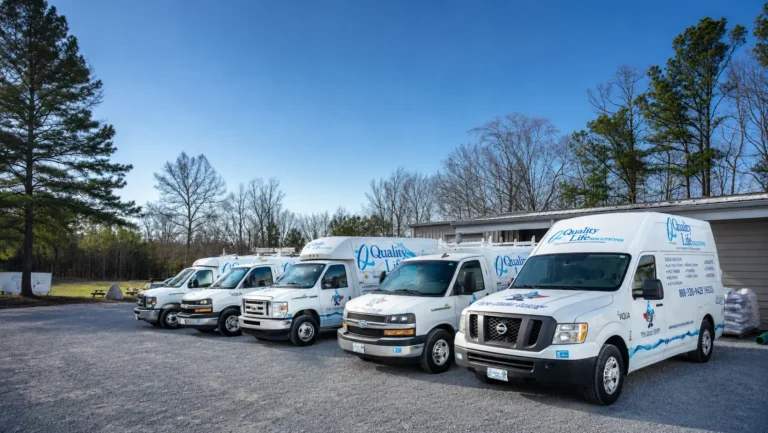
You do not need to identify the problem or choose the equipment on your own. Quality Life Solutions will test your water, explain the findings, and recommend a system tailored to your household.
Trust the local, fully WQA-certified team with more than 60 years of combined experience and over 800 five-star reviews. Contact Quality Life Solutions to schedule your free in-home water analysis today.